

Brasileirão Série D: Sports Betting, Schedule and Standings in Brazil in 2026
Match Centre
Circle two or three kick-offs, not the whole grid. The point is a realistic weekend plan: one title race, one derby flavour, one quieter league game if you want context.
Série D brings together clubs from different regions and makes every round a unique study of travel, home advantage, and balance between groups. This page organizes the experience as a sports portal: check upcoming matches, follow scores when available, and understand what the Brasileirão Série D standings reveal about the competition, without treating projections as results. For those just starting out, we explain how to interpret dates, stages, and criteria; for those who have followed the competition longer, we highlight recent form, squad context, and changing circumstances. The 2026 season calls for attention to official updates, as times and venues may change. Use these snapshots as editorial guidance and confirm each match in the updated listing before planning your coverage or viewing.
The focus is information: the schedule, past results, home and away performance, general squad news, and ways to follow Brazilian football. Future match data does not predict scores, and any illustrative example will be identified as an example. Also visit brasileiraoseried.club to browse editorial content about the competition.
How to read the Série D schedule without losing context
A useful sports schedule starts with the date and local time, but it doesn't end there. In Série D, long trips, pitch conditions, and a busy run of fixtures can influence each team's preparation. When opening a match listing, check whether the game belongs to the group stage, a knockout tie, or a later stage. This distinction helps explain why a team might prioritize managing risk at one point and seek more attacking play at another.
Also note which team is listed as home and which as away. Home advantage is no guarantee, but it helps structure the analysis: compare recent home performances with away games, how often the team creates chances, and its defensive consistency. A short run of matches can be informative, but should not be treated as a definitive picture. Injuries, suspensions, coaching changes, and squad rotation alter the context, and available news does not always confirm the lineup in advance.
If the venue or kickoff time changes, prioritize the latest update shown in the event listing. In national competitions featuring clubs from several states, logistics and weather can make scheduling especially sensitive. The portal may group matches by round for easier browsing, but the list does not replace official announcements from the organizers. In 2026, always compare the displayed date with Brasília time and check whether the event is still marked as scheduled, in progress, or finished.
To follow several clubs, first choose the matches you're interested in, then look at the full round. This helps you identify head-to-head matchups, teams competing for nearby positions, and possible effects on the standings. Use filters as a browsing tool, not as a prediction. The soundest analysis combines a confirmed schedule, recent form, and squad information, keeping what has already happened separate from what is yet to come.
A quick guide for fans
- Confirm the stage, round, date, and time.
- Check which team is at home and where the match will be played.
- Compare recent form without reading too much into a short run.
- Look for squad updates and information about player availability.
- Return to the match listing after the final whistle to check the official status.
Times may change. Check the displayed information again shortly before the match begins.
Scores, past results, and Brasileirão Série D standings
The score shows the recorded result, while past results provide an additional layer of context. When checking a completed game, distinguish the final result from a provisional status, such as a match in progress or a suspension. Live coverage may be delayed, so avoid concluding that information is definitive before the listing indicates the match is finished. If there is a later disciplinary review or administrative adjustment, the standings may reflect the official update at a different time from the initial report.
Brasileirão Série D standings should be read with attention to the criteria for the current stage. Points earned are only the first factor: goal difference, goals scored, and competition-specific rules may matter in the event of a tie. Check the legend accompanying the table, and don't compare different groups directly without considering the number of matches played. A team with a game in hand may appear temporarily below another, without that representing a complete comparison.
To assess form, look at a recent run of matches and identify patterns, not certainties. A defense that has conceded few goals at home may be facing a run of opponents with different styles; an attack that has been productive in a particular period also depends on the availability of key players. Combine results with simple indicators, such as the frequency of clean sheets, home and away performance, and consistency throughout the stage. These signs help explain trends, but they do not determine the next score.
The statistical snapshot on this page prioritizes verifiable data and avoids making up numbers. When an indicator has not yet been confirmed, the information should remain absent or be described as unavailable rather than filled in with an estimate. For your own analysis, note the date of consultation, the stage, and the number of matches considered. This care makes comparisons fairer and helps show when a change in position results from a new match, an official update, or a tiebreaker.
Three layers of analysis
- Result: match status and confirmed score.
- Performance: recent run, home advantage, and consistency.
- Competition: points, matches played, and stage rules.
No scores are made up on this page. The schedule and statistics should be checked against updated match listings; any illustrative data must be marked as an example.
Follow-up guide: from preview to post-match recap
A good preview raises relevant questions without anticipating the answers. Before the match, look at each team's recent run, general squad availability, and the importance of the matchup within the stage. Rather than reducing the analysis to a single statistic, compare styles: a high press against playing out from the back, wide play against a compact defense, or set pieces against a team that tends to concede corners. These tactical aspects can help you follow the match, but should be treated as possibilities, not guarantees.
During the game, follow the minute, score status, and any stoppages. If you can't watch the broadcast, a score listing can provide a practical view of how the match is unfolding; even so, it cannot replace video when assessing decisions, intensity, or the quality of chances. At the end, the recap should separate facts from commentary: the official result, confirmed goalscorers, significant cards, and changes in the match belong in the record; interpretations of performance should be presented as analysis.
After the final whistle, compare what happened with the questions raised in the preview. Did the team manage to impose its rhythm? Did home advantage help create chances? Did an absence affect the team's organization? This method develops critical thinking and works for both new fans and those who have followed the competition for several seasons. Avoid turning a single match into a diagnosis of the entire campaign; Série D is long and brings together a variety of regional contexts.
For a simple routine, save the clubs you follow, review the schedule before each round, and return to the standings after confirmed matches. If you use a Brasileirão Série D sports app or a Brasileirão Série D app, check whether the source provides local time, event status, and recent updates. The priority is clear data, notice of changes, and a distinction between confirmed news and expectations. Take breaks, follow at a healthy pace, and respect the applicable age rating and broadcast guidelines.
Before
Check the schedule, stage, home team, and general squad news; form questions to watch for without treating trends as certainties.
During
Follow the match status and distinguish provisional updates from confirmed information.
After
Review the official score, key events, and the confirmed effect on the standings.


Eight highlights from the national and international calendar
The competitions below offer points of comparison for those following Série D and looking to broaden their view of football. The descriptions provide editorial context, not current results; check the schedule and event details to confirm matches and recent news.
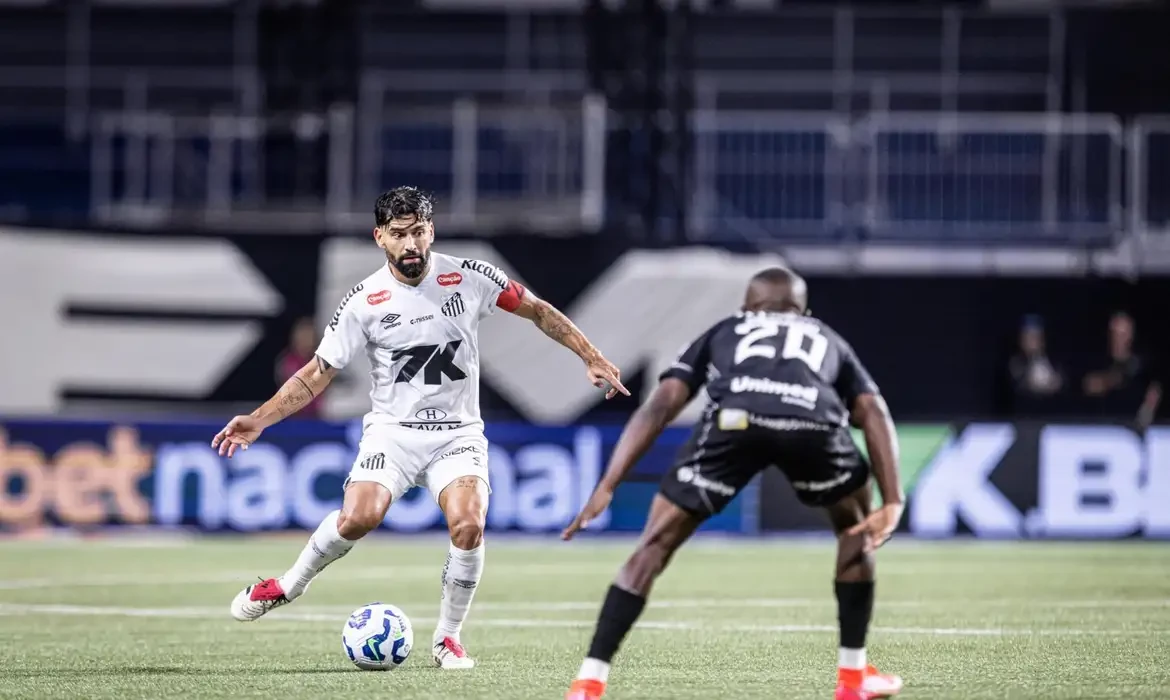
Brasileirão Série D
The national competition brings together clubs from different regions and highlights the importance of home advantage, travel, and consistency. Follow each stage separately and check the standings after official updates, without assuming future scores.
View coverage
Campeonato Brasileiro Série A
The national top flight offers a contrast in schedules, squad depth, and playing styles. Follow the run of fixtures and team news to understand how each side manages the season.
View coverage
Copa do Brasil
The knockout format creates matchups where managing each stage carries added weight. To follow the competition, check the regulations, venue, and status of the tie before interpreting any change in strategy.
View coverage
Copa Libertadores
The continental tournament combines travel, different environments, and matches requiring close tactical attention. Follow confirmed team news and the official schedule, especially when fixtures in different competitions are close together.
View coverage
Premier League
Intense pace and packed schedules make physical management a recurring theme. Compare recent form and home or away performance, remembering that each round needs its own context.
View coverage
La Liga
Following La Liga offers a chance to observe different approaches to possession and attacking play. Check lineups and news before the match, and use accumulated data as context, not as a definitive prediction.
View coverage
UEFA Champions League
Matchups between clubs from different countries highlight tactical adjustments and international experience. Follow the stage, the format of the tie, and official information on player availability.
View coverage
Brazil National Team
The national team's fixtures offer another perspective on call-ups, preparation, and scheduling. Check official announcements about players and kickoff times, as the squad may change between matches.
View coverageHow to interpret updates and maintain data quality
Schedules and standings are dynamic records. A match may have its time adjusted, be moved, or receive a status update